

Undesign the Redline Exhibit

Undesign the Redline is an interactive exhibit, workshop series, and curriculum that joined us to learn about the history of redlining and how it connects to the history of structural racism and inequality. We looked at maps from 1938 to today to explore the changing districts and their lasting impacts and explored how we can come together to “undesign” these systems. To learn more about the exhibit, please visit Designing the We or take a Virtual Tour of our Undesign the Redline exhibit.
Undesign the Redline reminds us, going forward, we must live up to the Fair Housing Act’s central purpose—not just to root out discrimination, but, as the Act’s co-sponsor Senator Walter Mondale said, to promote ‘truly integrated and balanced living patterns.
– U.S. Department of Housing and Urban Development
shed the light on discriminatory policies and practices — many of them intentional — that form the root causes of clustered poverty and segregation…
– Enterprise Community Partners
What is Redlining?
Redlining is how structural racism was designed into cities – a practice which continued legally into the 1970s and continues to have ramifications today. Beginning in 1934 with the National Housing Act, “residential security maps” were created to indicate the level of security for real-estate investments in 239 cities. The newest areas, typically affluent suburbs, were labeled as the most desirable and secure. The older areas, populated largely by African Americans and immigrants, were labeled as the riskiest investments, and outlined in red—hence, “redlining.”
Based on these residential security maps, bankers were told to steer clear of redlined areas, also referred to as areas with “inharmonious racial groups.” Appraisal manuals also recommended cities to enact racially restrictive zoning ordinances; essentially housing segregation. This racial discrimination in mortgage lending became the blueprint for the current disparities in socioeconomic gaps and barriers.
As a diverse community, it is important for us to learn about the history of our local area and how it became what it is today. Understanding the source of the inequities in our society is the first step to undoing them. As the community’s public library system, we are committed to achieving racial and social equity by providing education available to all community members and maintaining an environment of diversity, inclusion, and respect. We invite everyone to learn and grow with us on our journey for a more just and equitable community.
Visit the HCLS Equity Collection
Related Articles

The Great Divide by Cristina Henríquez
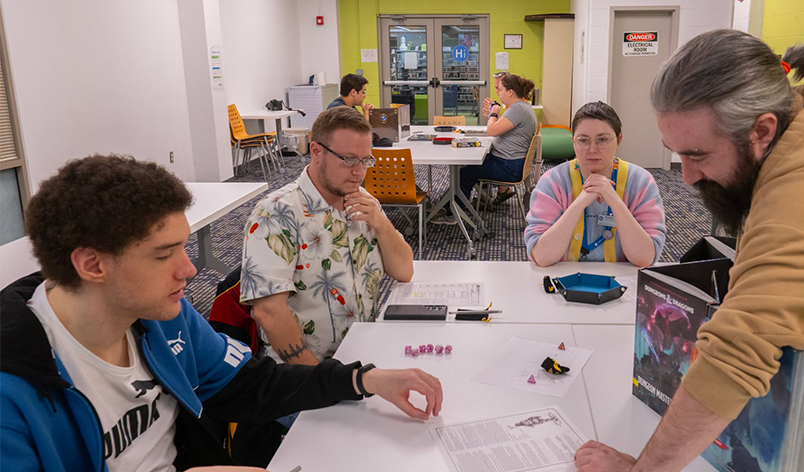
Game Changers: Rediscover the Joy of Play
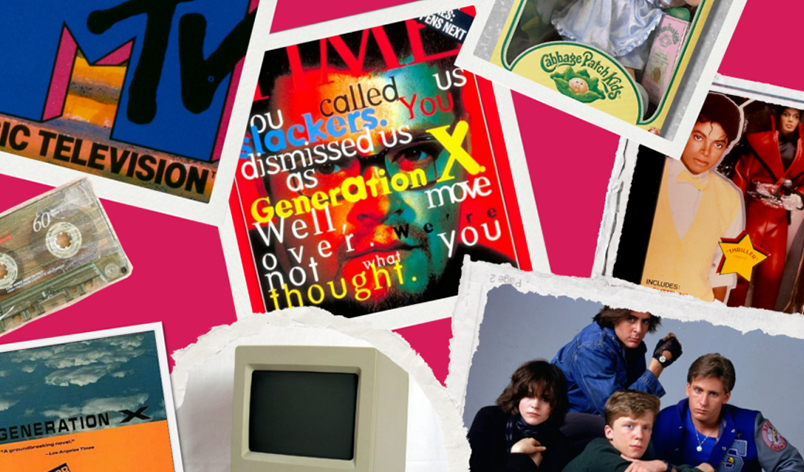
GenX Influences
Stay connected with our newsletters.
Newsletter Subscriptions