

Breathless by Jean-Luc Godard & Nouvelle Vague by Richard Linklater

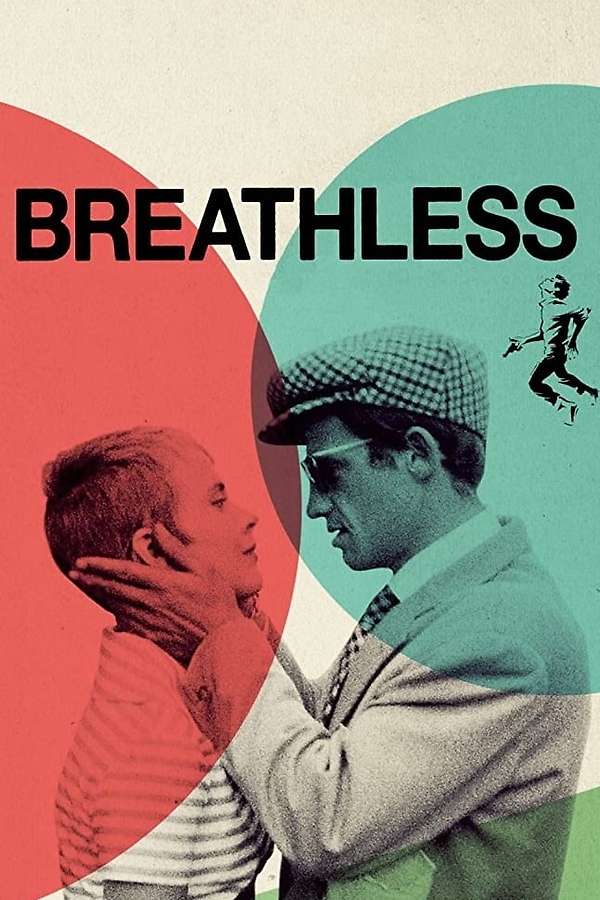
Have you ever seen Tim Burton’s Ed Wood? Johnny Depp plays the titular groundbreaking independent director, who will stop at nothing to have his movies made, no matter what conditions and no matter how badly they turn out. It’s a captivating performance, but one that parallels what it took for the French director Jean-Luc Godard to make his first film, Breathless (À Bout de Souffle, in French).
Godard was a film critic for the French cultural magazine Cahiers du Cinéma until he felt so dissatisfied with French film that he decided he should just make films of his own. Godard took a radical approach; he made up the story as he went along, shooting on the streets of Paris without permits, using handheld cameras concealed in food carts. Famously, Breathless is the film that introduced the jump cut: Godard cuts from shot to shot while actors speak in a scene. While this is fairly common in today’s vlogging and short-form video vernaculars, this was unknown and quite experimental at the time.
Breathless is the story of a brash, adventurous young man who takes the pseudonym Laszlo Kovacs (played by Jean-Paul Belmondo), prone to carjacking, theft, and sometimes violence. Beginning in the countryside in Marseilles, he flees to Paris after committing a crime; then, finding himself a wanted man, he sneaks around with an American lover (Jean Seberg). The bulk of the film finds him chain-smoking around Paris as he hides from the authorities, engaging in brash and occasionally philosophical conversations with the people he encounters.
A broad summary of the film is difficult since Godard would shoot whatever was interesting, feed his own thoughts to the actors as dialogue directly before rolling film, and stop filming whenever he ran out of ideas. As it turns out, it’s fairly difficult to work with a film crew under these conditions, and the actors and professionals would get extremely frustrated with Godard, occasionally leading to physical altercations that threatened to end the shoot. Godard, too, found himself in trouble with those who were financing the shoot; his Marxist, experimental filmmaking approach seemed completely non-commercial. When the financiers asked for changes to save the film’s commercial prospects, Godard refused to comply. Still, the film became an international phenomenon and inaugurated a French New Wave (in French, a “Nouvelle Vague”) of filmmaking. The film is quite visually beautiful and stylish despite the guerrilla conditions, and it’s been a favorite of mine since I first found it in college. When I watch it, I’m filled with the same spirit invoked by reading On the Road by Jack Kerouac, one that makes me want to take a bus to the city, go to coffeehouses, read newspapers, and drive fast cars. (Breathless was later remade by Hollywood in the 80’s, starring Richard Gere; it’s controversial for being more of a loose, spiritual remake, but I can’t help but love the puckish energy Gere brings to the character.)
It turns out that this story was captivating enough for veteran Texas indie filmmaker Richard Linklater (Boyhood, Before Sunrise, School of Rock, Dazed and Confused) to make a picture out of it, a French production titled Nouvelle Vague, which was released in America last year by Netflix. It does resemble the aforementioned Ed Wood quite a bit in form but has none of its sentimentality. It reflects Godard’s monomaniacal, exacting, emotionless personality compared to Wood’s relentless positivity and occasional histrionics. Linklater, who runs an independent theater in his native Austin, TX, has always excelled at making period films that look and feel uncannily like their targets, and he worships classic films. The actors also resemble the original actors and people they represent so well. Linklater’s casting deserves endless praise, as he finds people (mostly unknown actors) who look and feel “of another time.” In particular, Aubry Dullin possesses Jean-Paul Belmondo’s unique face, boxer’s frame, and cool mannerisms miraculously closely. It’s also hilarious, capturing the sheer absurdity of Godard’s approach and the situations of the filming with love, care, and incredulity. Though it’s shot in Paris and (almost) entirely in French, it’s still classic Linklater.
Breathless is available to stream for free with your library card through Kanopy and is also available on a handsome Criterion Collection DVD packed with bonus materials. Nouvelle Vague is available on DVD, also published by the Criterion Collection.
Alex Pyryt is an IT Systems Support Specialist at the Administrative Branch of the Howard County Library System.
Related Articles

Gobble up a good book

Mah Jongg at the Library
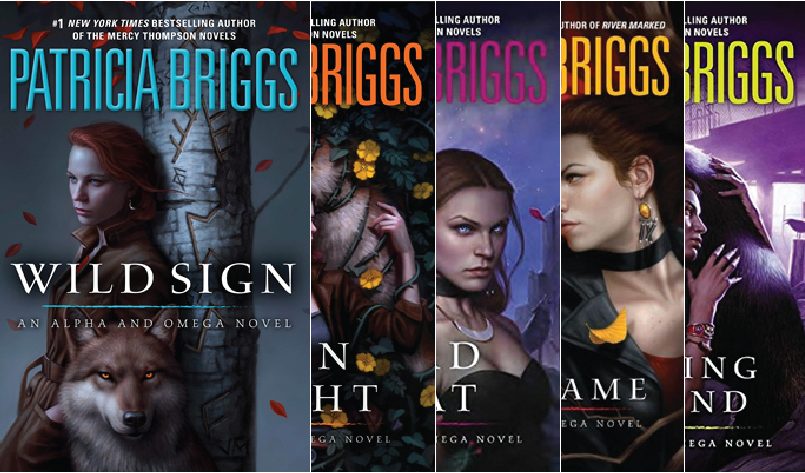
Alpha & Omega series by Patricia Briggs
Stay connected with our newsletters.
Newsletter Subscriptions