
Enchanted Garden

Ways to Engage
Enchanted Garden Certifications
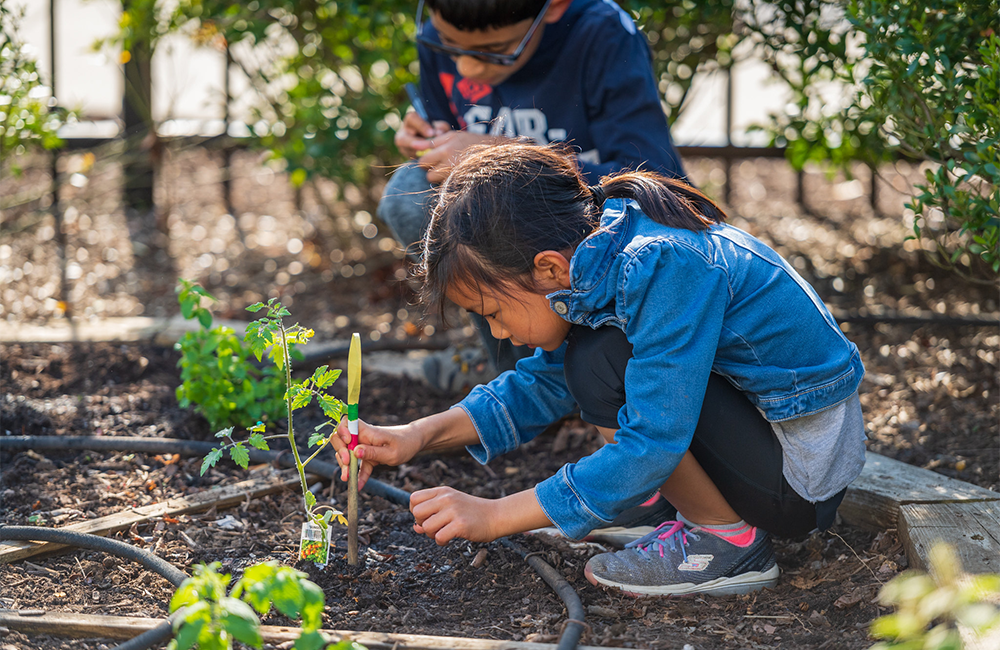
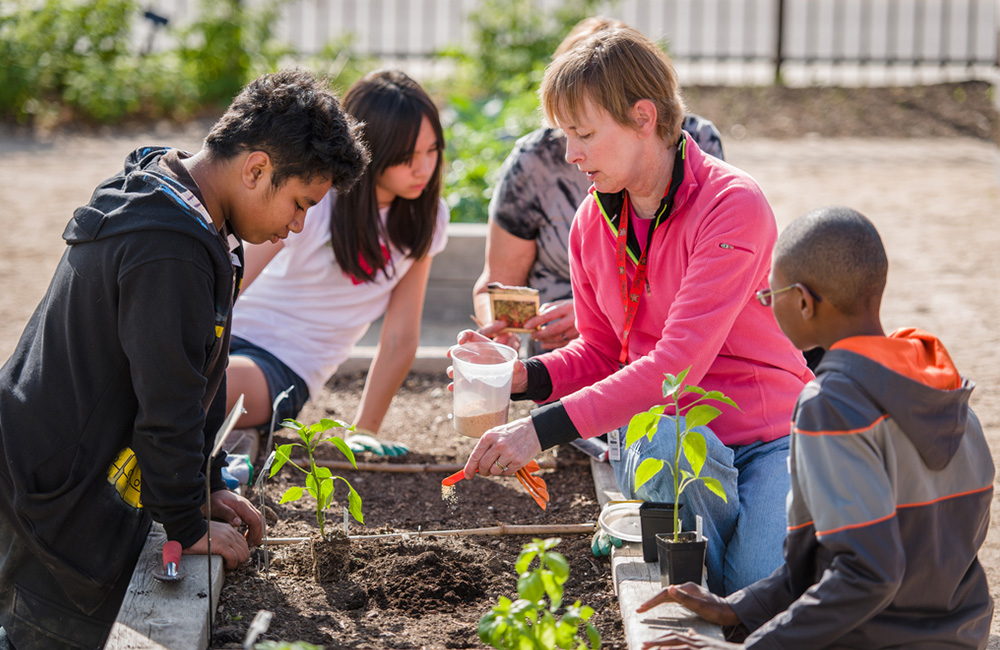
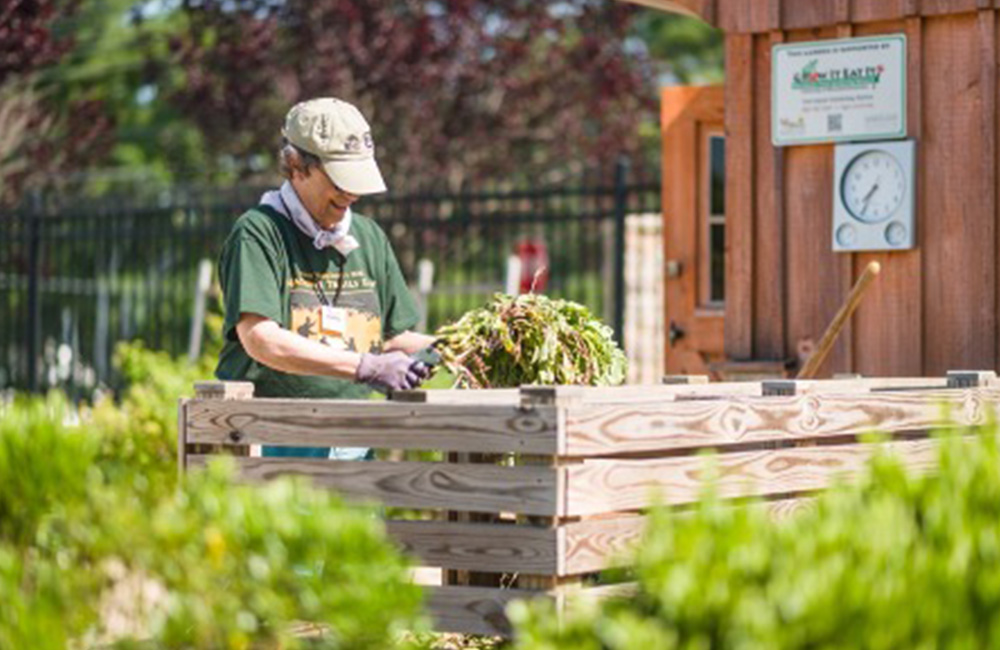
The Enchanted Garden design reflects our environmental sustainability goals and complements the LEED Gold certification of the branch building. Pathway materials are permeable, and the rain garden, rain barrels, and bioswale help slow stormwater runoff. Throughout the garden, you will find native plantings and wildlife habitats. The garden employs sustainable practices such as composting, companion planting, and organic growing methods. These eco-friendly techniques—combined with the dedication of youth gardeners, Master Gardeners, and community volunteers—have earned the garden multiple certifications.
The Enchanted Garden is an official Monarch Waystation, certified by Monarch Watch. The garden provides habitat that supports monarch butterflies at every stage of their life cycle. HCLS’s curriculum also educates students about the monarch’s life cycle and the challenges the species currently faces.
The garden provides water, food, and shelter for wildlife to nest and raise their young. Native plants support birds, bees, butterflies, and other pollinators. The Enchanted Garden earned certification from the National Wildlife Federation through a youth garden project.
The gardeners who maintain the Enchanted Garden are committed to using sustainable landscaping and gardening practices that protect water quality and conserve natural resources. These efforts earned the garden Bay-Wise Certification from the University of Maryland Extension.
The Enchanted Garden features native plants that are essential for bees, butterflies, moths, beetles, hummingbirds, and other pollinators. Native bees are vital to the food we eat, the flowers we grow, and the trees that provide shade. As a registered Howard County Bee City Habitat, the garden emphasizes native plantings, leaves the leaves, and avoids pesticides in its gardening practices.
About the Garden
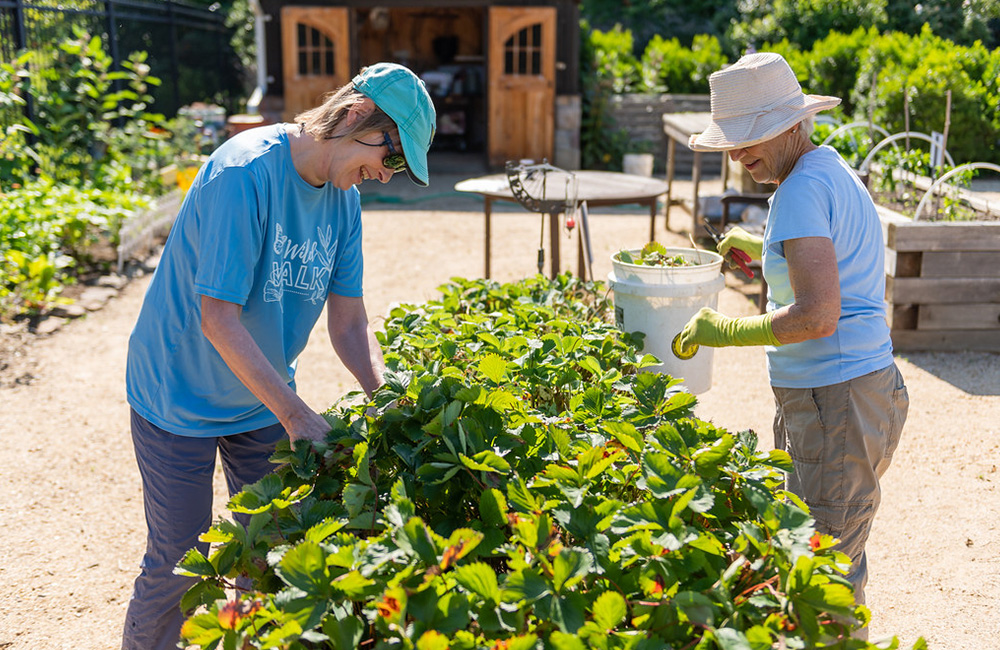
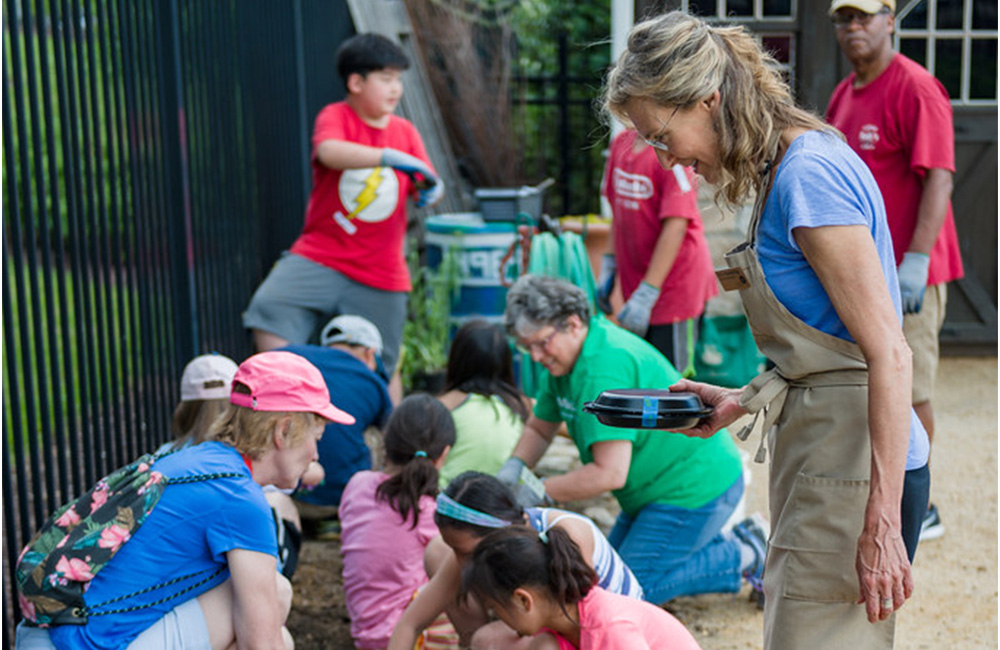
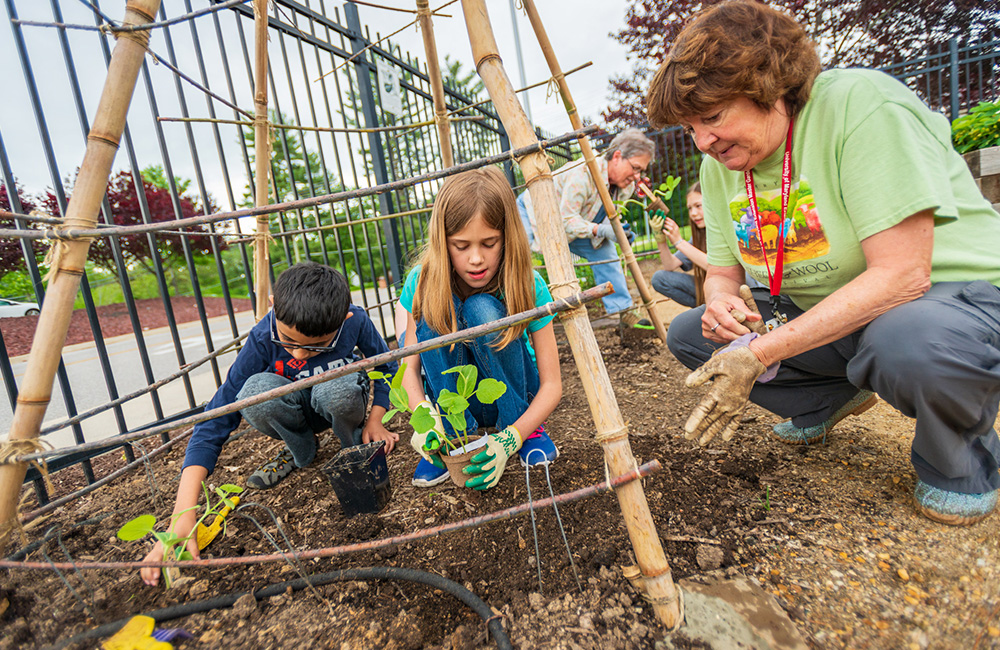
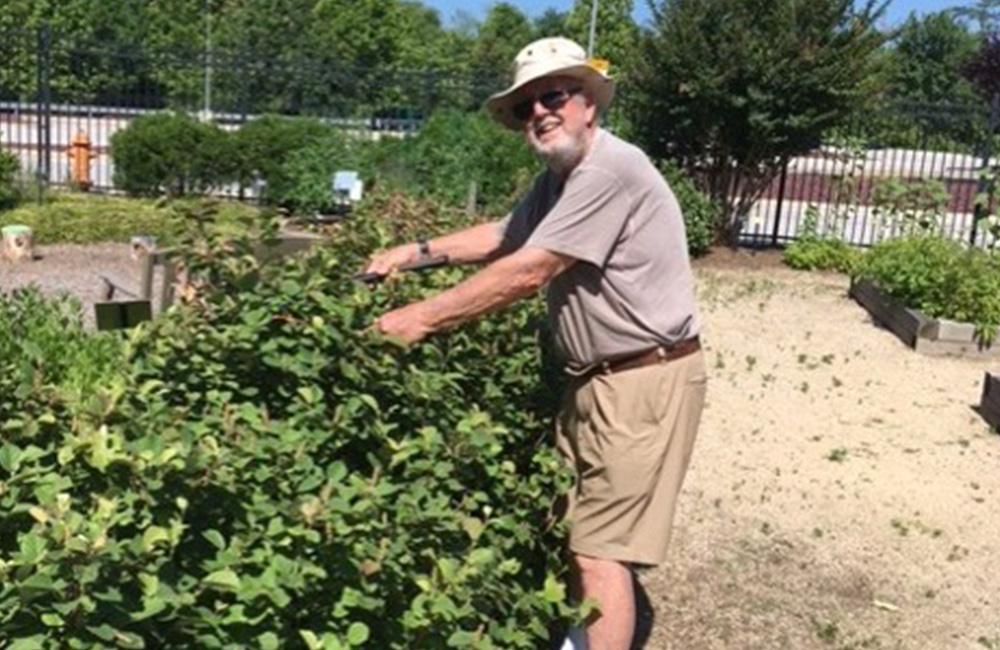
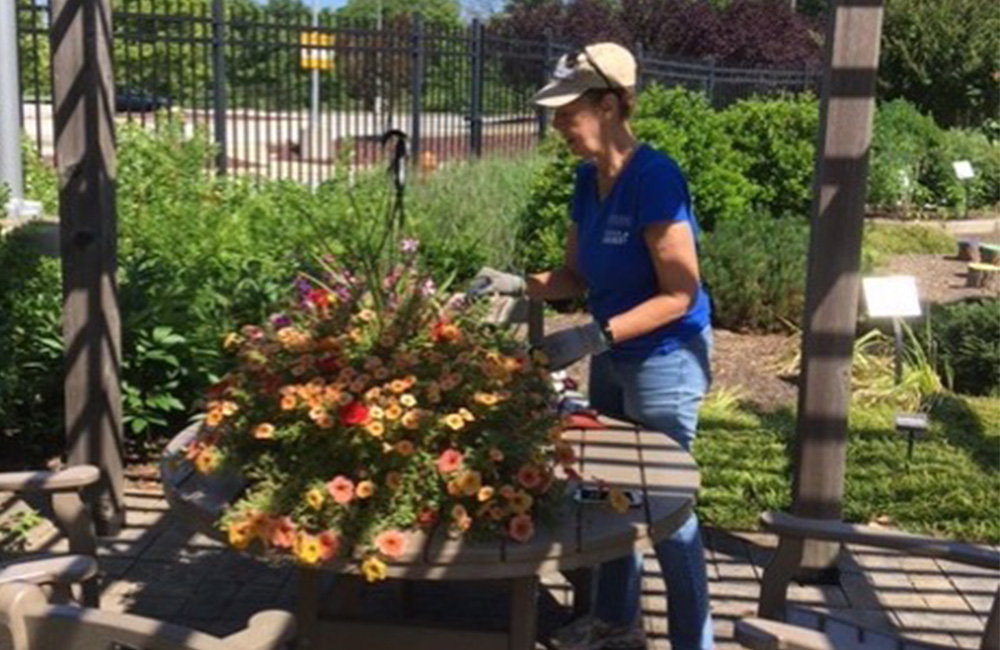
Master Gardeners also host Ask A Master Gardener sessions and composting demonstrations during the growing season. Garden clubs from Howard County contribute funds, volunteer in youth garden classes, and assist with planning and planting new garden beds. For details, see our class calendar for upcoming times and dates.
Erica Coady
Enchanted Garden Instructor